
What you see

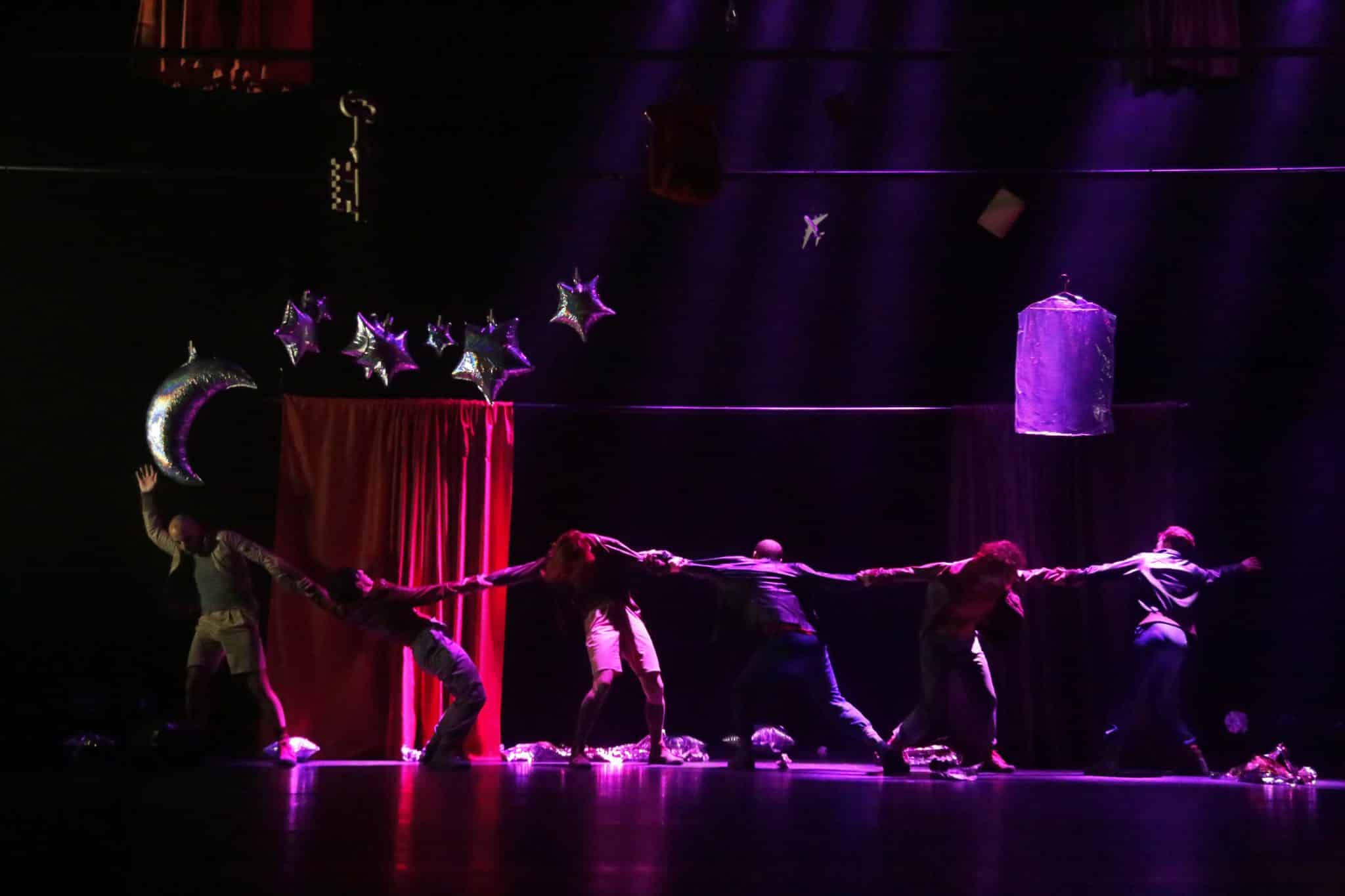
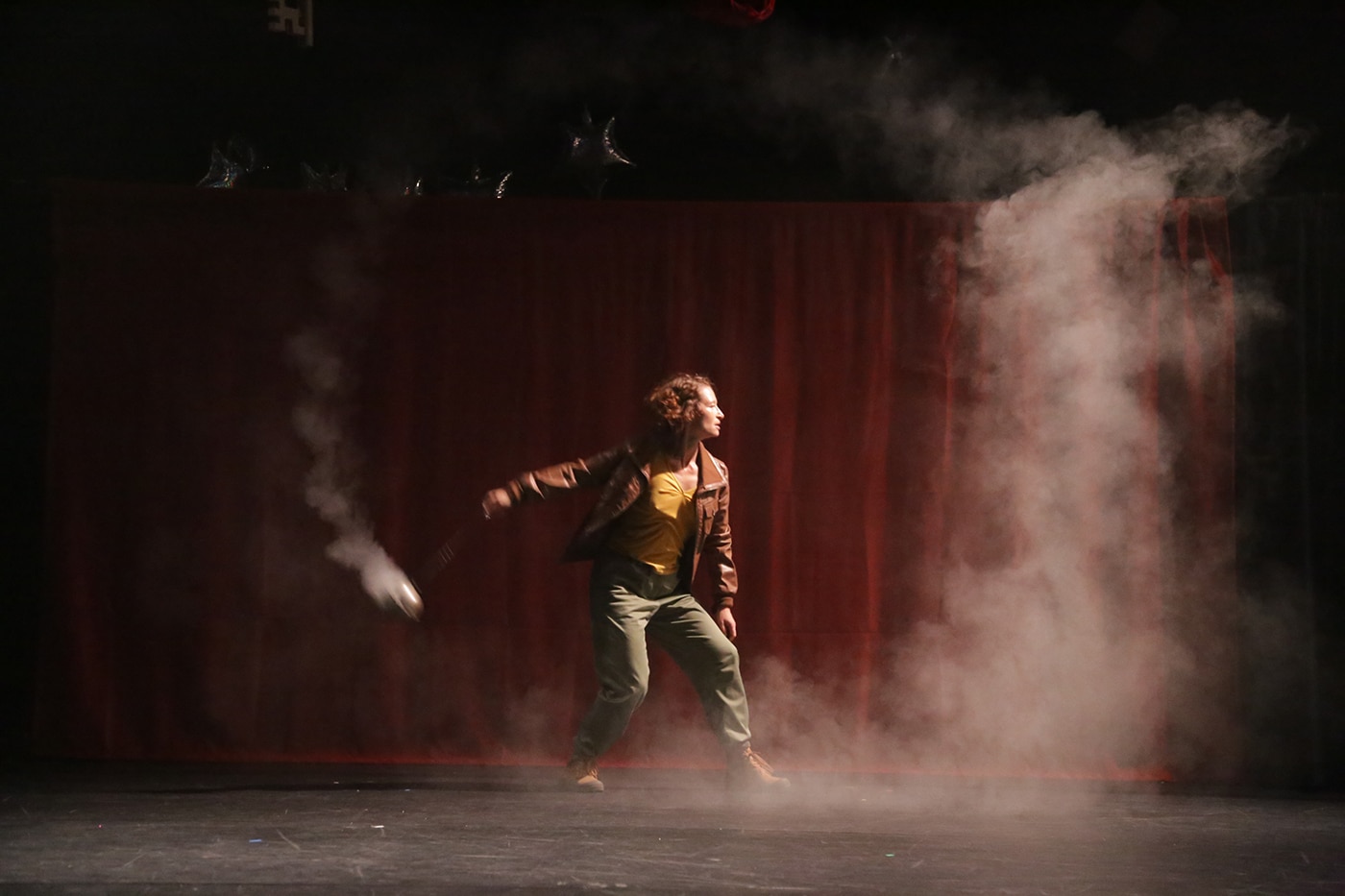
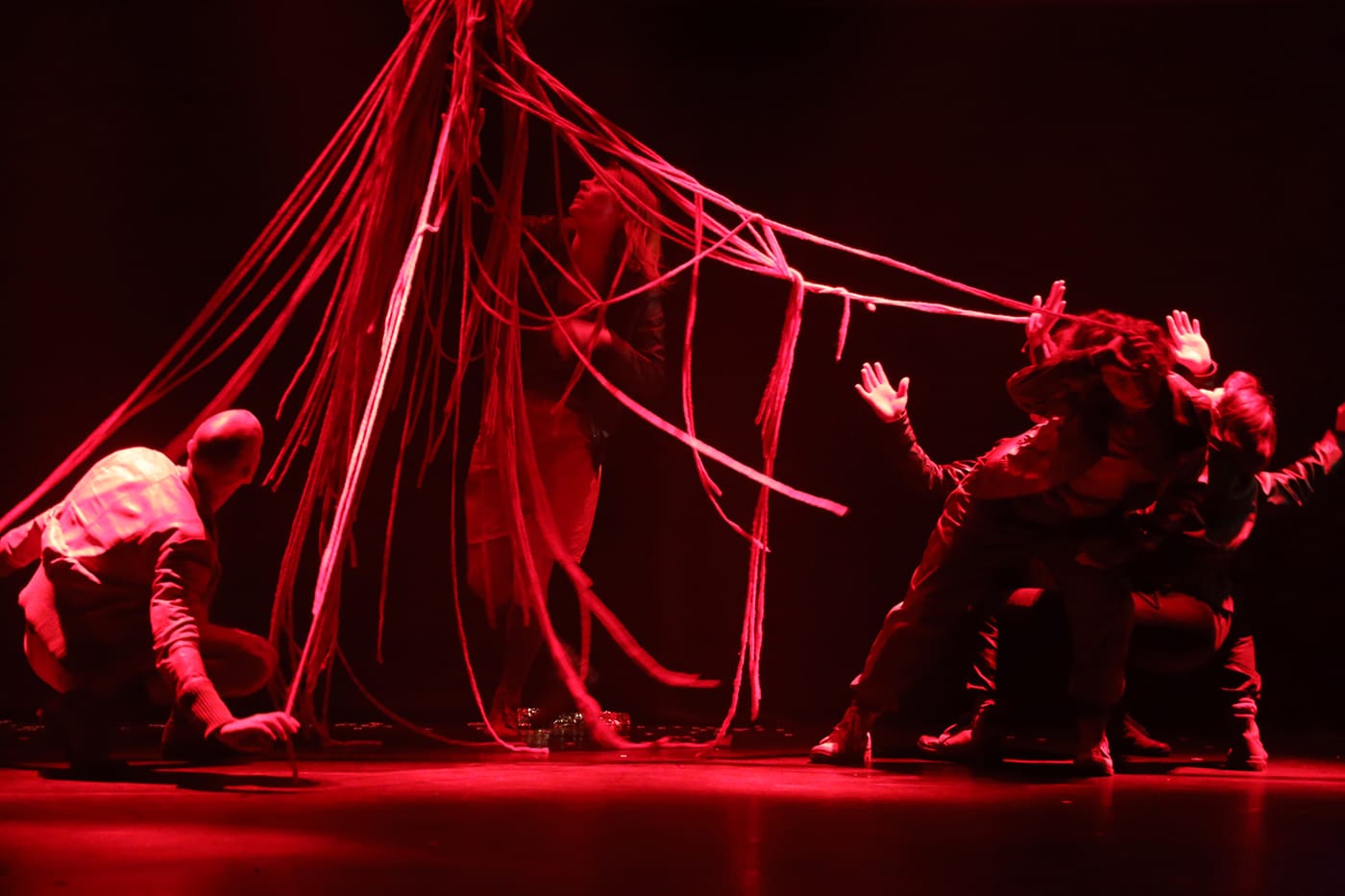
What you see plunges into the famous tapestry of the Apocalypse, which unfolds the visions of a certain John in the 1st century AD, which he recorded in a book entitled "Apocalypse of John". It all revolves around a revelation John has in a cave during his exile on Patmos: he hears God telling him that good will triumph over evil, and that we must stand firm. At the time, John was addressing the first Christian communities martyred under the Roman Empire. But What You See takes a leap forward in time: how do we understand the notions of "good" and "evil" today, and why should we stand firm? Today's infatuation with catastrophes is a way of distracting ourselves from catastrophes that have already taken place - the West's ecological, social and ethical disaster has no end in sight. The fascination of contemporary homo sapiens with images of "end times" is a way of waiting without acting. What would John say today to urge us to act rather than wait passively? What you see offers some answers to this question, with an underlying reference to another story, that of a science-fiction film released in 1962: Chris Marker's "La Jetée" (The Jetty). In both, a program that we'll follow to the letter: describing mental images strong enough to create a hole in time in which to act; insisting on the ethical disagreement that feeds today's uprisings; and inviting us to fight for a good life.


Directed by Antoine Billet